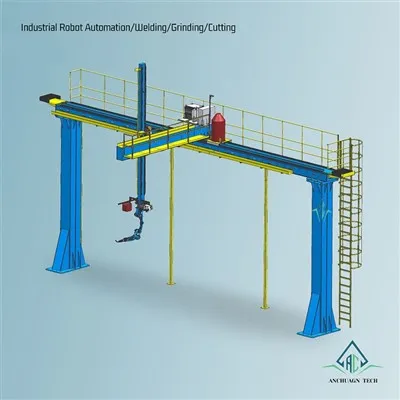
As a seasoned supplier of gantry trusses, I've witnessed firsthand the pivotal role these structures play in various industrial applications. Gantry trusses are the backbone of many automated systems, providing the stability and precision required for tasks ranging from material handling to robotic assembly. However, like any complex machinery, gantry trusses require regular maintenance to ensure optimal performance and longevity. In this blog post, I'll delve into the essential maintenance intervals for gantry trusses, offering insights and recommendations based on my years of experience in the industry.
Understanding Gantry Trusses
Before we discuss maintenance intervals, it's important to understand what gantry trusses are and how they function. A gantry truss is a framework structure that typically consists of horizontal and vertical members connected to form a rigid and stable structure. These trusses are used to support overhead equipment, such as cranes, robots, or other automated devices, allowing them to move along a defined path.
Gantry trusses come in various configurations, including the XYZ Three-axis Robot Gantry Truss, which provides movement in three dimensions, and the Single Robot XY Axis Gantry Truss and Dual Robot XY Axis Gantry Truss, which offer movement in two dimensions. Each configuration is designed to meet specific application requirements, and the maintenance intervals may vary depending on the type of gantry truss and its usage.
Factors Affecting Maintenance Intervals
Several factors can influence the maintenance intervals for gantry trusses. These factors include:
- Usage Frequency: The more frequently a gantry truss is used, the more wear and tear it will experience. Gantry trusses that are used continuously or in high-duty cycle applications may require more frequent maintenance than those used intermittently.
- Operating Environment: The environment in which a gantry truss operates can also impact its maintenance requirements. Gantry trusses used in harsh environments, such as those exposed to dust, dirt, moisture, or corrosive chemicals, may require more frequent cleaning and inspection to prevent damage and ensure proper functioning.
- Load Capacity: The load capacity of a gantry truss refers to the maximum weight it can safely support. Gantry trusses that are regularly subjected to heavy loads may experience more stress and fatigue, which can lead to premature wear and failure. In such cases, more frequent maintenance and inspections may be necessary to ensure the structural integrity of the truss.
- Quality of Components: The quality of the components used in a gantry truss can also affect its maintenance intervals. High-quality components are generally more durable and reliable, requiring less frequent maintenance and replacement. Conversely, gantry trusses that are built with low-quality components may experience more problems and require more frequent repairs.
Recommended Maintenance Intervals
Based on these factors, I recommend the following maintenance intervals for gantry trusses:
- Daily Maintenance:
- Visual Inspection: Conduct a visual inspection of the gantry truss before each use to check for any signs of damage, such as cracks, dents, or loose connections. Pay special attention to the joints, welds, and fasteners.
- Cleaning: Remove any dirt, debris, or dust from the gantry truss using a clean, dry cloth or a soft brush. This will help prevent the accumulation of contaminants, which can cause corrosion and damage to the components.
- Lubrication: Check the lubrication levels of the moving parts, such as the bearings, gears, and slides, and add lubricant as needed. Proper lubrication is essential for reducing friction and wear, ensuring smooth operation, and extending the lifespan of the components.
- Weekly Maintenance:
- Functional Testing: Perform a functional test of the gantry truss to ensure that it is operating properly. This may include checking the movement of the truss along the rails, the accuracy of the positioning system, and the operation of the safety features.
- Tightening of Fasteners: Check the tightness of all the fasteners, including bolts, nuts, and screws, and tighten them as needed. Loose fasteners can cause vibrations and misalignment, which can lead to premature wear and failure of the components.
- Monthly Maintenance:
- Inspection of Structural Components: Conduct a more detailed inspection of the structural components of the gantry truss, including the beams, columns, and braces. Look for any signs of deformation, corrosion, or fatigue, and repair or replace any damaged components as necessary.
- Calibration of Sensors and Controls: Check and calibrate the sensors and controls of the gantry truss to ensure accurate and reliable operation. This may include checking the position sensors, limit switches, and control panels.
- Quarterly Maintenance:
- Analysis of Performance Data: Review the performance data of the gantry truss, such as the operating speed, load capacity, and cycle time, to identify any trends or issues. This will help you detect potential problems early and take proactive measures to prevent downtime.
- Inspection of Electrical Systems: Inspect the electrical systems of the gantry truss, including the wiring, connectors, and motors, for any signs of damage or wear. Check for loose connections, frayed wires, and overheating components, and repair or replace any damaged parts as needed.
- Annual Maintenance:
- Comprehensive Inspection: Conduct a comprehensive inspection of the entire gantry truss, including the structural components, mechanical systems, electrical systems, and safety features. This may involve using non-destructive testing methods, such as ultrasonic testing or magnetic particle inspection, to detect any hidden defects or damage.
- Overhaul and Replacement of Components: Based on the results of the comprehensive inspection, overhaul or replace any components that are showing signs of excessive wear or damage. This may include replacing the bearings, gears, belts, and chains, as well as any worn or damaged structural members.
Importance of Regular Maintenance
Regular maintenance of gantry trusses is essential for several reasons. First and foremost, it helps ensure the safety of the operators and the equipment. By identifying and addressing potential problems early, you can prevent accidents and injuries, as well as costly downtime and repairs.
Secondly, regular maintenance helps extend the lifespan of the gantry truss. By keeping the components clean, lubricated, and properly adjusted, you can reduce wear and tear, minimize the risk of breakdowns, and ensure that the truss operates at peak performance for many years to come.
Finally, regular maintenance can also improve the efficiency and productivity of your operations. A well-maintained gantry truss will operate more smoothly and accurately, reducing cycle times, improving throughput, and increasing overall productivity.


Contact Us for Your Gantry Truss Needs
If you're in the market for a high-quality gantry truss or need assistance with maintenance and support, look no further. As a leading supplier of gantry trusses, we offer a wide range of products and services to meet your specific needs. Our team of experienced engineers and technicians can help you select the right gantry truss for your application, provide installation and commissioning services, and offer ongoing maintenance and support to ensure the long-term performance and reliability of your equipment.
Don't hesitate to contact us to discuss your requirements and learn more about how our gantry trusses can help improve the efficiency and productivity of your operations. We look forward to working with you!
References
- "Industrial Gantry Crane Maintenance Guide," Crane & Hoist Digest.
- "Best Practices for Maintaining Automated Gantry Systems," Automation World.
- "Structural Steel Maintenance and Inspection," American Institute of Steel Construction.