

As a supplier of Electrode Caps, I often get asked if these little guys are easy to transport. Well, let's dive right into it and break down all the aspects that come into play when it comes to moving Electrode Caps from one place to another.
First off, what are Electrode Caps? For those who aren't in the know, Electrode Cap are essential components in resistance welding. They're used to conduct electricity and apply pressure to the workpieces being joined. They come in various shapes and sizes, depending on the specific welding requirements.
One of the biggest advantages when it comes to transporting Electrode Caps is their size. Generally speaking, they're relatively small. Unlike some of the other heavy - duty welding equipment out there, you can fit a whole bunch of Electrode Caps in a small box. This means that they don't take up much space in a shipping container, truck, or even a small delivery van. You can stack them neatly, and they won't shift around too much, which is great for minimizing damage during transit.
Another plus is their weight. Electrode Caps are usually lightweight. This is a huge benefit for transportation because it reduces the overall shipping costs. Carriers often charge based on weight, so the lighter the package, the less you'll pay to send it. Whether you're shipping domestically or internationally, this weight advantage can quickly add up to some significant savings.
However, it's not all smooth sailing. Electrode Caps are made of metal, and like any metal product, they're prone to corrosion if not properly protected. During transport, they can be exposed to moisture, especially if they're being shipped in areas with high humidity or if there's a leak in the shipping container. To combat this, we always make sure to package our Electrode Caps in moisture - resistant materials. We use special plastic bags and desiccant packs to keep the air dry inside the package. This extra step might increase the packaging cost a bit, but it's well worth it to ensure that the product arrives in good condition.
We also have to be careful about how they're handled during loading and unloading. Even though they're small and lightweight, rough handling can still cause damage. For example, if they're dropped or thrown around, they could get dented or their tips could get bent. That's why we always provide clear handling instructions to our shipping partners and encourage them to treat the packages with care.
Now, let's talk about international transportation and the regulations involved. Different countries have different rules regarding the import and export of metal products. There might be customs duties, taxes, and specific documentation requirements. We've got a team that's well - versed in these regulations, and we make sure to take care of all the paperwork to avoid any delays at the border. This includes providing accurate product descriptions, value declarations, and certificates of origin.
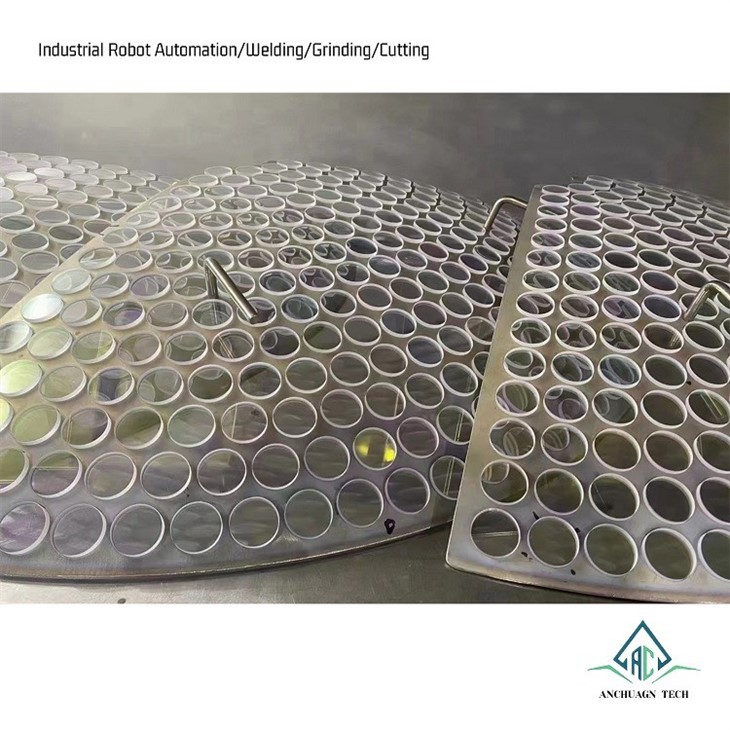
When compared to other welding - related products like Laser Protective Lenses and Plasma Cutting Nozzle, Electrode Caps are generally easier to transport. Laser Protective Lenses are often made of delicate materials that can be easily scratched or broken. They require special packaging with lots of cushioning to prevent damage. Plasma Cutting Nozzles, on the other hand, can be quite large and heavy, which means higher shipping costs and more space requirements.
In conclusion, while there are some challenges involved in transporting Electrode Caps, overall, they're relatively easy to move around. Their small size and lightweight nature give them an edge over many other welding products. With proper packaging and handling, we can ensure that they reach our customers in perfect condition.
If you're in the market for high - quality Electrode Caps and want to discuss your procurement needs, feel free to reach out. We're always happy to talk about how we can meet your specific requirements and provide the best solutions for your welding operations.

References
- General knowledge about welding accessories and transportation regulations in the industry.


