

Are electrode caps reusable? That's a question I get asked a lot as a supplier of Electrode Cap. It's a valid concern, especially for businesses looking to cut costs and reduce waste. So, let's dive into this topic and see if electrode caps can be reused.
First off, let's understand what electrode caps are and what they do. Electrode caps are essential components in resistance welding processes. They're the tips that come into direct contact with the workpieces during welding. Their primary job is to conduct electrical current and apply pressure to create a strong weld joint. They're made from high - quality copper alloys to ensure good conductivity and durability.
Now, the big question: can they be reused? Well, the short answer is it depends. In some cases, electrode caps can be reused, but there are several factors to consider.
Factors Affecting Reusability
1. Wear and Tear
One of the main factors is wear. During the welding process, electrode caps are subjected to high temperatures, pressure, and the friction of contact with the workpieces. Over time, this causes the tips to wear down. If the wear is minimal, and the cap still maintains its shape and electrical conductivity, it might be possible to reuse it. However, if the cap is severely worn, say, the tip has become flat or distorted, reusing it can lead to poor weld quality. A worn - out cap won't be able to apply the right pressure or conduct the current evenly, resulting in weak or inconsistent welds.
2. Contamination
Contamination is another crucial factor. The electrode caps can get contaminated with debris, metal particles, and welding spatter from the workpiece. This contamination can affect the electrical conductivity between the cap and the workpiece. If the contamination is light, you might be able to clean the cap and reuse it. But heavy contamination can be hard to remove completely, and it can also cause pitting on the cap surface. Once the surface is pitted, it's difficult to achieve a good weld, and reusing the cap is not a good idea.
3. Welding Conditions
The welding conditions also play a role. If you're working in a high - volume production environment where the electrode caps are used frequently and under high - stress conditions, they'll wear out faster. In contrast, in a low - volume or less - demanding welding operation, the caps may have a longer lifespan and be more likely to be reusable. For example, in a small - scale workshop where welding is done intermittently, the caps can last longer and may be suitable for reuse after basic cleaning.
How to Determine If an Electrode Cap Can Be Reused
Inspection
The first step is to visually inspect the electrode cap. Look for signs of wear such as flattening of the tip, cracks, or excessive pitting. You can also measure the dimensions of the cap to see if it has deviated from the original specifications. If it's within an acceptable tolerance, it might still be usable.
Cleaning
If the cap looks okay visually, the next step is to clean it. You can use a specialized electrode cap cleaner, which is usually a tool that can remove surface debris and spatter. If after cleaning, the cap still shows good electrical contact and can apply pressure evenly, it could potentially be reused.
The Pros and Cons of Reusing Electrode Caps
Pros
- Cost Savings: Reusing electrode caps can significantly reduce your welding costs. Instead of constantly buying new caps, you can extend the life of the existing ones, which is great for your bottom line, especially if you're running a large - scale welding operation.
- Environmental Benefits: It's also more environmentally friendly. By reusing, you reduce the amount of waste going to landfills. This is a win - win situation for both your business and the planet.
Cons
- Weld Quality Risks: As I mentioned earlier, reusing worn or contaminated caps can lead to sub - standard welds. Poor weld quality can result in product failures, which can be costly in terms of rework, customer complaints, and even legal issues in some cases.
- Time and Effort: Inspecting and cleaning the caps takes time and effort. You need to have trained personnel to properly assess the caps and clean them. This can add to your operational costs in terms of labor.
Our Products and Solutions
At our company, we understand the importance of balancing cost - savings and weld quality. That's why we offer high - quality Electrode Cap products that are designed for durability. Our caps are made from the finest copper alloys, which can withstand high temperatures and repeated use.
We also provide guidance on electrode cap maintenance and reuse. Our team of experts can help you determine the best practices for inspecting, cleaning, and reusing the caps based on your specific welding needs. And if you find that reusing isn't suitable for your operation, we have a wide range of replacement caps available at competitive prices.
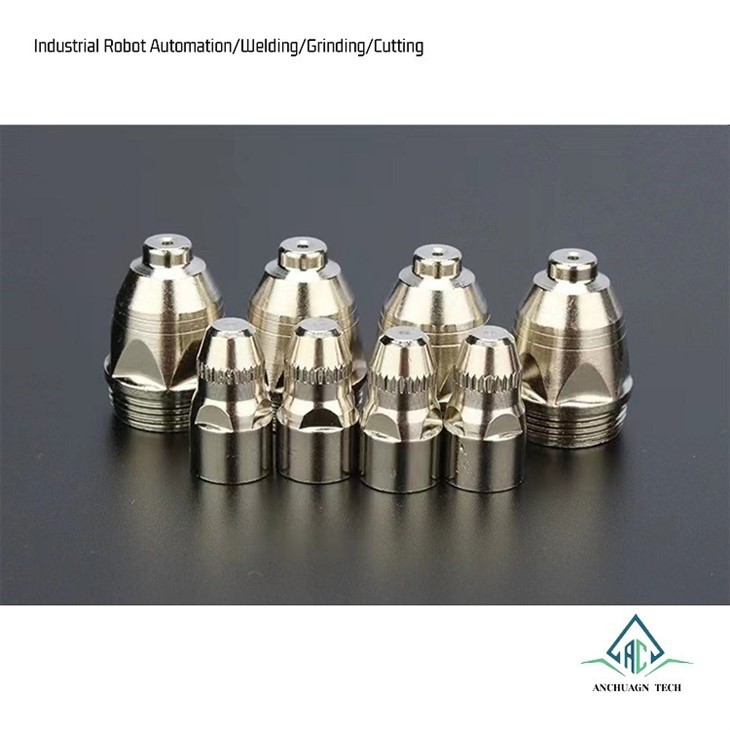
In addition to electrode caps, we also supply other important welding and cutting accessories. For instance, if you're in the market for Plasma Cutting Nozzle or Welding Contact Tip, we've got you covered. Our products are known for their reliability and performance, and we take pride in providing top - notch customer service.
Conclusion
So, to sum it up, electrode caps can be reusable in some cases, but it's a decision that should be made carefully. You need to consider factors like wear and tear, contamination, and your welding conditions. At our company, we're here to help you make the best choice for your business. Whether you're looking to reuse your caps or need new ones, we're ready to support you.

If you're interested in learning more about our electrode caps or other welding and cutting accessories, don't hesitate to reach out. We'd love to have a chat with you and discuss how we can meet your procurement needs. Let's work together to achieve the best results in your welding operations!
References
- "Resistance Welding Handbook", by Resistance Welding Manufacturers Alliance.
- Industry reports on welding consumables and best practices.
