

Hey there! As a supplier of Tig Welding Robots, I often get asked about how these amazing machines adjust the welding voltage. It's a crucial aspect of the welding process, and getting it right can make a huge difference in the quality of the weld. So, let's dive into it and explore how a Tig Welding Robot goes about adjusting the welding voltage.
Understanding the Basics of Welding Voltage
First off, let's quickly go over what welding voltage is and why it matters. Welding voltage is the electrical potential difference between the electrode and the workpiece. It plays a vital role in determining the heat input into the weld. If the voltage is too low, the weld may not penetrate properly, resulting in a weak joint. On the other hand, if the voltage is too high, it can cause excessive spatter, overheating, and even damage to the workpiece.
How a Tig Welding Robot Adjusts the Welding Voltage
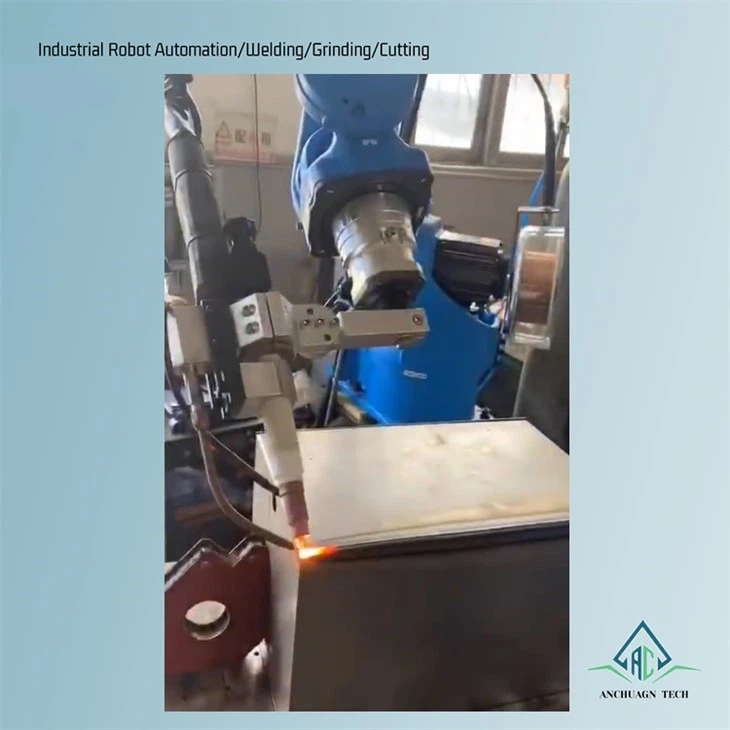
Tig Welding Robots are equipped with sophisticated control systems that allow them to adjust the welding voltage with precision. Here are some of the key ways these robots make voltage adjustments:
1. Pre - Set Programs
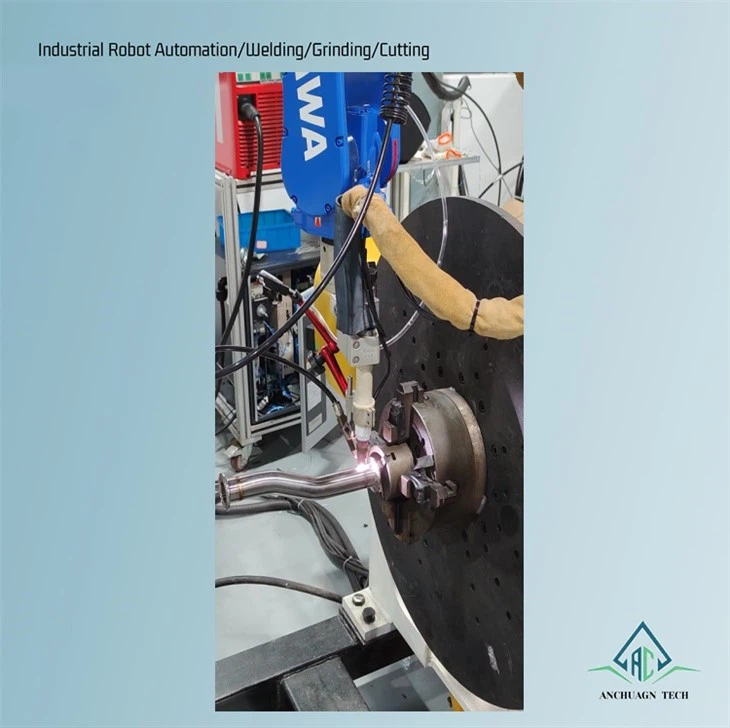
One of the most common methods is through pre - set programs. Before starting the welding process, the operator can input specific voltage settings based on the type of material, thickness of the workpiece, and the desired weld quality. The robot then follows these pre - defined settings throughout the welding operation. For example, when welding stainless steel, the operator might set a specific voltage range that is optimal for this material. The robot will maintain this voltage as it moves along the weld seam, ensuring consistent results. You can learn more about our Robotic Stainless Steel TIG Welding Solution.
2. Sensors and Feedback Loops
Tig Welding Robots are also equipped with sensors that continuously monitor the welding process. These sensors can detect changes in the electrical current, arc length, and other parameters that are related to the welding voltage. For instance, an arc length sensor can measure the distance between the tungsten electrode and the workpiece. If the arc length changes, it can affect the voltage. The robot's control system uses this feedback to make real - time adjustments to the voltage. If the arc length increases, the robot will increase the voltage to maintain a stable arc. This ensures that the welding process remains consistent and of high quality.
3. Adaptive Control
Some advanced Tig Welding Robots have adaptive control capabilities. This means that the robot can adjust the voltage based on the actual conditions of the welding process. For example, if the material has some variations in thickness or surface properties, the robot can sense these changes and modify the voltage accordingly. Adaptive control allows the robot to handle different workpieces without the need for extensive reprogramming. It's like having a smart assistant that can make on - the - fly decisions to ensure a perfect weld every time. You can find out more about our Robotic Tig Welding Additive Cladding Solution, which also benefits from these advanced control features.
4. Manual Override
In some cases, the operator may need to make manual adjustments to the welding voltage. The Tig Welding Robot's control panel allows the operator to override the pre - set programs and make immediate changes. This can be useful when dealing with unexpected situations or when fine - tuning the welding process for a specific job. However, it's important to note that manual adjustments should be made with caution, as incorrect settings can lead to poor weld quality.
Factors Affecting Voltage Adjustment
There are several factors that can influence how a Tig Welding Robot adjusts the welding voltage:
1. Material Type
Different materials have different electrical conductivity and melting points. For example, aluminum has a higher thermal conductivity than steel, which means that more heat is required to weld it. As a result, the welding voltage for aluminum may need to be higher compared to steel. The robot's control system takes these material properties into account when adjusting the voltage.
2. Workpiece Thickness
Thicker workpieces generally require higher welding voltages to ensure proper penetration. The robot can be programmed to adjust the voltage based on the thickness of the workpiece. For instance, when welding a thick plate, the robot will increase the voltage to generate enough heat to melt the material and create a strong weld.
3. Weld Joint Design
The design of the weld joint, such as the type of joint (butt joint, lap joint, etc.) and the joint preparation, can also affect the voltage adjustment. Some joint designs may require more heat input at certain points, and the robot will adjust the voltage accordingly to achieve a uniform weld.
Importance of Proper Voltage Adjustment
Proper voltage adjustment is crucial for several reasons:
1. Weld Quality
As mentioned earlier, the right voltage ensures that the weld has proper penetration, minimal spatter, and a good appearance. A well - adjusted voltage results in a strong and durable weld joint that meets the required standards.
2. Productivity
By adjusting the voltage accurately, the Tig Welding Robot can work more efficiently. It reduces the need for rework due to poor weld quality, which saves time and resources. This is especially important in high - volume production environments.
3. Equipment Longevity
Correct voltage adjustment also helps to extend the life of the welding equipment. Excessive voltage can cause premature wear and tear on the electrodes, power sources, and other components. By maintaining the optimal voltage, the robot and its associated equipment can operate more reliably over a longer period.
Conclusion
In conclusion, a Tig Welding Robot adjusts the welding voltage through a combination of pre - set programs, sensors, adaptive control, and manual override. These adjustment methods take into account various factors such as material type, workpiece thickness, and weld joint design. Proper voltage adjustment is essential for achieving high - quality welds, improving productivity, and ensuring the longevity of the welding equipment.
If you're in the market for a Tig Welding Robot and want to learn more about how our robots can adjust the welding voltage to meet your specific needs, don't hesitate to contact us. We're here to help you find the perfect solution for your welding applications. Whether you're looking for a solution for stainless steel welding or need a robot with advanced additive cladding capabilities, we've got you covered. And if you're interested in our automatic tungsten needle replacement feature, check out Automatic tungsten needle replacement for TIG welding.
References
- Welding Handbook, American Welding Society
- Industrial Robotics: Technology, Programming, and Applications, by Peter R. Corke
