

Hey there! As a supplier of Laser Cutting Nozzle, I've seen firsthand how crucial it is to keep tabs on the wear of these little but mighty tools. In this blog, I'm gonna share some tips on how to measure the wear of a laser cutting nozzle, so you can get the most out of your equipment and avoid any unexpected hiccups.
Why Measuring Wear Matters
First off, let's talk about why it's so important to measure the wear of your laser cutting nozzle. Over time, the nozzle can wear down due to factors like high temperatures, abrasive materials, and constant use. When the nozzle is worn, it can affect the quality of your cuts, leading to issues like rough edges, inconsistent thickness, and even wasted materials. By regularly measuring the wear of your nozzle, you can catch these problems early and replace the nozzle before it causes any major damage.
Visual Inspection
One of the simplest ways to measure the wear of a laser cutting nozzle is through visual inspection. Start by removing the nozzle from the laser cutting machine and giving it a good look over. Check for any signs of damage, such as cracks, chips, or uneven wear. Pay special attention to the inner diameter of the nozzle, as this is where most of the wear occurs. If you notice any significant wear or damage, it's probably time to replace the nozzle.
Another thing to look for is the build-up of debris or residue inside the nozzle. This can happen over time as the nozzle is exposed to high temperatures and cutting materials. If you see a lot of debris inside the nozzle, it can affect the flow of gas and the quality of your cuts. You can clean the nozzle using a soft brush or compressed air to remove any debris.
Measuring the Inner Diameter
In addition to visual inspection, you can also measure the inner diameter of the nozzle to determine its wear. You'll need a micrometer or a caliper to do this. Start by measuring the inner diameter of a new nozzle. This will give you a baseline measurement to compare against. Then, measure the inner diameter of the used nozzle. If the inner diameter of the used nozzle is larger than the new nozzle, it's a sign of wear.
As a general rule of thumb, if the inner diameter of the nozzle has increased by more than 10% of the original diameter, it's time to replace the nozzle. However, this can vary depending on the type of laser cutting machine and the materials you're cutting. Some machines may be more sensitive to nozzle wear than others, so it's important to consult your machine's manual or a professional for specific guidelines.
Gas Flow Testing
Gas flow is another important factor to consider when measuring the wear of a laser cutting nozzle. The nozzle plays a crucial role in regulating the flow of gas, which is used to assist in the cutting process. If the nozzle is worn, it can affect the flow of gas and the quality of your cuts.
To test the gas flow, you'll need a gas flow meter. Start by setting up the gas flow meter according to the manufacturer's instructions. Then, connect the gas flow meter to the laser cutting machine and measure the gas flow rate. Compare the gas flow rate of the used nozzle to the recommended gas flow rate for your machine. If the gas flow rate is lower than the recommended rate, it could be a sign of wear or blockage in the nozzle.
Performance Testing
Finally, you can also measure the wear of a laser cutting nozzle through performance testing. This involves using the nozzle to cut a sample piece of material and evaluating the quality of the cuts. Start by cutting a sample piece of material using a new nozzle. This will give you a baseline measurement of the quality of your cuts. Then, cut the same sample piece of material using the used nozzle. Compare the quality of the cuts made with the used nozzle to the cuts made with the new nozzle.

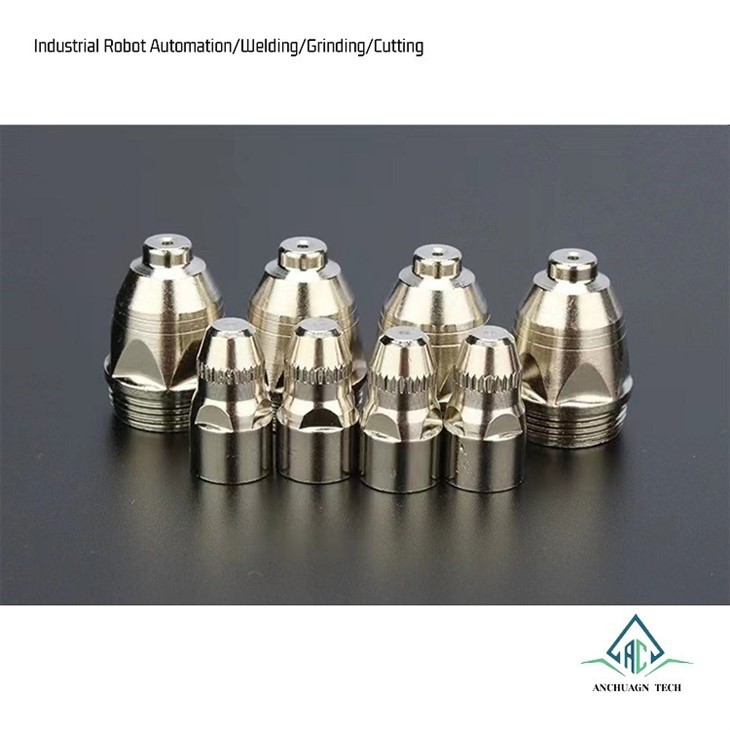
If you notice any significant differences in the quality of the cuts, such as rough edges, inconsistent thickness, or burning, it's a sign that the nozzle is worn and needs to be replaced. Performance testing can be a bit more time-consuming than visual inspection or measuring the inner diameter, but it can give you a more accurate picture of the nozzle's wear and its impact on the quality of your cuts.
When to Replace the Nozzle
So, when should you replace a laser cutting nozzle? As I mentioned earlier, if you notice any significant wear or damage during visual inspection, it's probably time to replace the nozzle. Additionally, if the inner diameter of the nozzle has increased by more than 10% of the original diameter, or if the gas flow rate is significantly lower than the recommended rate, it's a good idea to replace the nozzle.
Another factor to consider is the frequency of use. If you use your laser cutting machine frequently, you may need to replace the nozzle more often than if you use it less frequently. It's also a good idea to keep a spare nozzle on hand, so you can quickly replace it if needed.
Conclusion
Measuring the wear of a laser cutting nozzle is an important part of maintaining the performance and quality of your laser cutting machine. By regularly inspecting the nozzle, measuring its inner diameter, testing the gas flow, and evaluating the performance of your cuts, you can catch any problems early and replace the nozzle before it causes any major damage.
If you're in the market for a new Laser Cutting Nozzle, Laser Welding Nozzle, or Plasma Cutting Nozzle, I'd love to help. We offer a wide range of high-quality nozzles at competitive prices. Just reach out to us, and we'll be happy to discuss your needs and find the right nozzle for your laser cutting machine.
References
- Laser Cutting Technology Handbook
- Manufacturer's Manuals for Laser Cutting Machines
