

Storage Conditions
As a prominent metal welding wire supplier, I've witnessed firsthand how crucial proper storage is to maintaining the quality and performance of our products. In this blog, I'll share comprehensive insights on storing metal welding wire effectively.
Temperature and Humidity Control
Temperature and humidity are two of the most critical factors affecting the quality of metal welding wire. Welding wire is highly susceptible to corrosion, and high humidity can accelerate this process significantly. Ideal storage temperatures should be between 10°C and 30°C (50°F - 86°F), and relative humidity should be kept below 60%.
To achieve these conditions, it's advisable to store the welding wire in a climate - controlled environment. For smaller operations, a simple storage cabinet with a dehumidifier can work wonders. Larger facilities may require a dedicated storage room with a full - fledged HVAC system to regulate temperature and humidity precisely.
Protection from the Environment
Welding wire should be shielded from direct exposure to the environment. This means keeping it away from open windows, doors, and areas prone to water splashes. Rain, snow, and even condensation can cause rust and oxidation on the wire surface.
If the wire is stored outdoors temporarily, it must be covered with waterproof tarps. However, outdoor storage should be a last resort as it's challenging to maintain consistent storage conditions. Indoors, the storage area should be clean and free from dust and debris, which can contaminate the wire and affect the welding process.
Packaging and Handling
Original Packaging
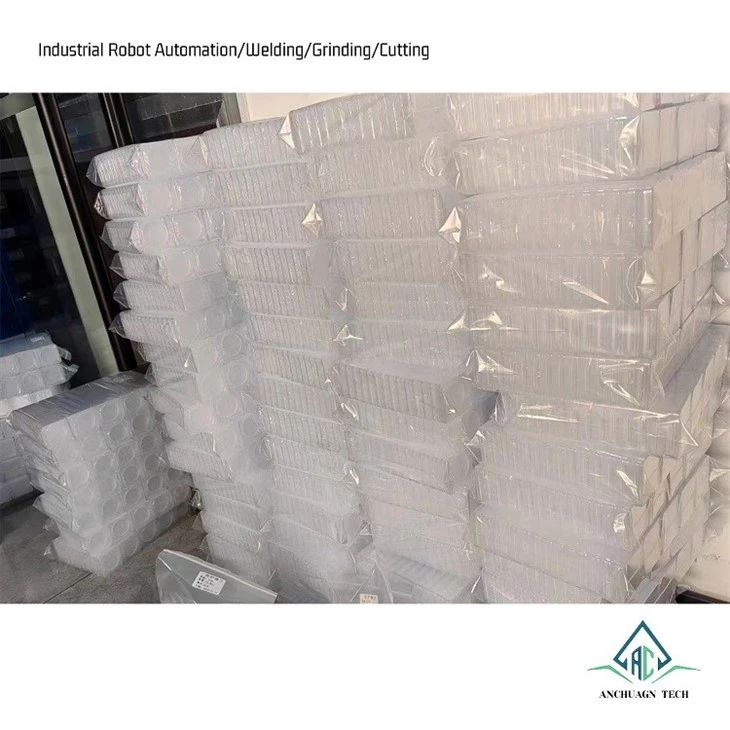
When the welding wire arrives from the manufacturer, it usually comes in well - designed packaging. This packaging is not just for transportation; it also plays a vital role in storage. The original packaging is often sealed to protect the wire from moisture and physical damage.
It's recommended to keep the wire in its original packaging until it's ready to be used. If the packaging is damaged, consider transferring the wire to a suitable alternative container, such as a plastic storage box with a tight - fitting lid.
Handling with Care
During handling, it's essential to avoid rough treatment of the welding wire. Dropping or mishandling the wire can cause kinks, bends, or even damage to the wire's coating. This can lead to feeding problems during the welding process and may also affect the quality of the weld.
Use appropriate lifting equipment, such as forklifts or pallet jacks, when moving large spools of welding wire. For smaller spools, carry them carefully to prevent any unnecessary impacts or vibrations.
Storage Racks and Shelving
Proper Rack Design
Investing in high - quality storage racks and shelving is a must for any welding wire storage facility. The racks should be sturdy enough to support the weight of the wire spools without bending or collapsing.
The design of the racks should allow for easy access to the wire spools. This means having enough space between the shelves to accommodate the spools and ensuring that the racks are arranged in an organized manner. For example, you can group the wire by type, diameter, or brand to make it easier to find the right product when needed.
Vertical vs. Horizontal Storage
There are two main ways to store welding wire spools: vertically and horizontally. Vertical storage is suitable for larger spools as it takes up less floor space and allows for better air circulation around the spool. However, it's crucial to ensure that the spools are properly secured to prevent them from toppling over.
Horizontal storage is often preferred for smaller spools or when the spools need to be stored in a way that minimizes the risk of kinking. When using horizontal storage, make sure the wire is supported evenly across the spool to prevent any deformation.
Monitoring and Inspection
Regular Checks
To ensure the quality of the stored welding wire, regular monitoring and inspection are necessary. Check the storage conditions, such as temperature and humidity, at least once a day. Use a thermometer and a hygrometer to keep track of these parameters.
Inspect the wire spools for any signs of damage, corrosion, or other issues. Look for rust spots, scratches, or any visible changes in the wire's appearance. If any problems are detected, take immediate action, such as moving the affected spools to a more suitable storage location or replacing the damaged packaging.
Documentation
Maintaining detailed records of the storage conditions and inspections is essential. This documentation can help you identify trends over time and take preventive measures to avoid future problems. It can also be useful for quality control purposes and in case of any disputes with customers.
Related Accessories and Their Importance
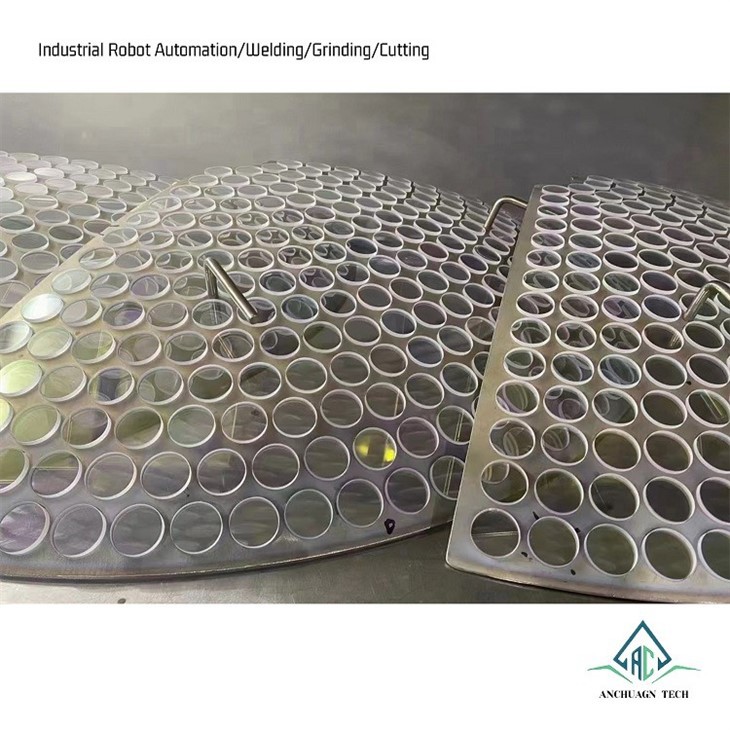
In the welding process, various accessories work in tandem with the welding wire. For example, Laser Protective Lenses play a crucial role in protecting the laser welding or cutting equipment. They are designed to filter out harmful radiation and ensure the safety of the operator.
Laser Cutting Nozzle are another important accessory. They help control the flow of the cutting gas and the laser beam, which directly impacts the quality of the cut. A well - maintained nozzle can improve cutting efficiency and reduce the occurrence of defects.
Similarly, Laser Welding Nozzle are vital for laser welding operations. They ensure proper gas shielding and focus the laser energy on the welding area, resulting in high - quality welds.
Conclusion
Proper storage of metal welding wire is a multi - faceted process that involves controlling environmental conditions, handling the wire with care, using appropriate storage equipment, and conducting regular monitoring and inspections. By following the guidelines outlined in this blog, you can ensure that your welding wire remains in top - notch condition, which in turn will lead to better welding results.
If you're interested in purchasing high - quality metal welding wire or any related accessories, I encourage you to reach out for a procurement discussion. We're committed to providing you with the best products and solutions to meet your welding needs.
References
- AWS A5.01:2010, Filler Metal Procurement Guidelines, American Welding Society
- Manufacturer's Instructions for Welding Wire Storage, Various Welding Wire Manufacturers
