

Hey there! If you're involved in the robotics world, you know how crucial it is to keep your robot peripherals up - to - date. I'm a supplier of robot peripherals, and I've seen firsthand the benefits of upgrading existing robot peripherals. In this blog post, I'll share some tips on how you can upgrade your robot peripherals effectively.
Why Upgrade?
Let's start by talking about why you should even consider upgrading your robot peripherals in the first place. Well, technology moves at a breakneck speed, and new advancements in robot peripherals can bring significant improvements to your operations.
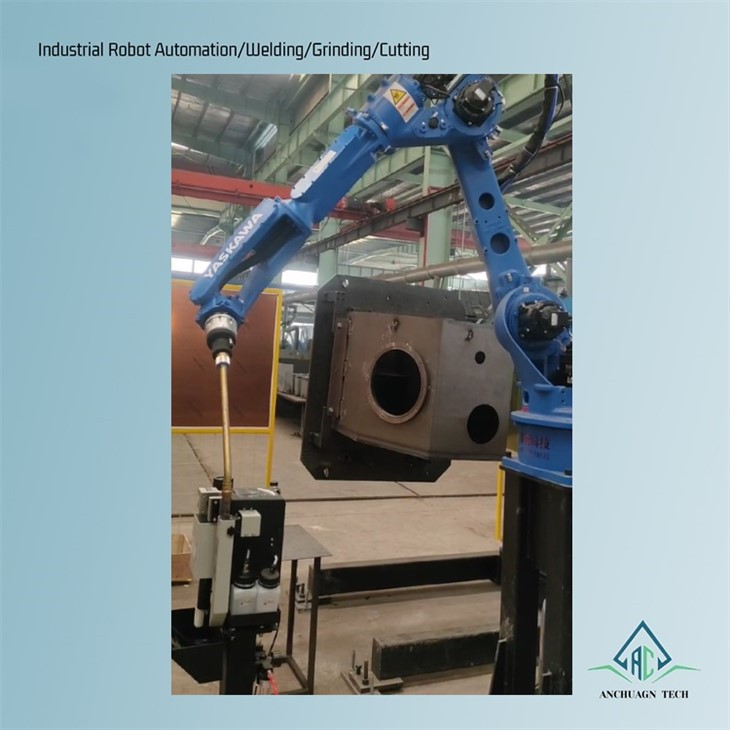

Newer peripherals are often more efficient. They can reduce energy consumption, which means long - term cost savings for your business. For example, a new - generation Mobile Spot Welder might be designed to use less power while still delivering the same high - quality welding results. It's a win - win situation!
Another reason to upgrade is to improve the quality of your work. Old peripherals may have limitations in terms of precision, speed, or functionality. Upgrading to the latest models can enhance the accuracy of your robots' tasks, leading to better - finished products.
Assessing Your Current Setup
Before you start upgrading, you need to have a clear understanding of your current robot peripheral setup. Take an inventory of all the peripherals you're using, including sensors, grippers, welders, and cleaners. Make a list of their specifications, age, and performance levels.
Check for any signs of wear and tear. For instance, if you're using a Welding Torch Cleaner, look for any clogs, leaks, or reduced cleaning efficiency. These issues could indicate that it's time for an upgrade.
It's also important to consider your production requirements. Have your production needs changed over time? Maybe you've increased your output volume or started working with different materials. If so, your current peripherals may not be able to meet these new demands.
Choosing the Right Upgrades
Once you've assessed your current setup, it's time to choose the right upgrades. One of the first things you should do is research the market. Look at different suppliers and compare their products. You can read online reviews and get recommendations from other industry professionals.
When it comes to picking new peripherals, make sure they are compatible with your existing robots. Manufacturer's specifications can be a great help here. They'll tell you which models are suitable for your robot's make and model.
For example, if you have an older - model robot and want to upgrade to a more advanced Pneumatic Spot Welding Machine, double - check if it can be easily integrated with your robot's control system. You don't want to end up with a peripheral that doesn't work well with your robot.
Another aspect to consider is the cost - benefit ratio. While some high - end peripherals may offer top - notch features, they can also come with a hefty price tag. Find a balance between the features you need and what you can afford. Sometimes, a mid - range product can offer a great combination of performance and cost - effectiveness.
Installation and Integration
After you've chosen the right upgrades, the next step is installation and integration. This is a crucial stage, and it's often best to have a professional handle it.
A professional installer will have the knowledge and experience to ensure that the new peripherals are installed correctly. They can also integrate them seamlessly with your existing robot system. For example, they'll make sure that the new sensors communicate properly with the robot's control unit and that any new software is installed and configured correctly.
During the installation process, it's important to test the new peripherals. Run some trial tasks to make sure everything is working as expected. If there are any issues, the installer can troubleshoot them right away.
Training Your Staff
Upgrading your robot peripherals also means that your staff may need some training. New peripherals may have different interfaces, features, and operating procedures.
You can provide in - house training sessions or send your employees to external training courses. The training should cover how to operate the new peripherals safely and efficiently. It should also include maintenance and troubleshooting procedures.
Well - trained staff can maximize the benefits of the upgraded peripherals. They'll be able to use the new features to their full potential and quickly identify and fix any problems that may arise.
Maintenance and Support
Once your new peripherals are up and running, don't forget about maintenance and support. Regular maintenance can extend the lifespan of your peripherals and keep them operating at peak performance.
Follow the manufacturer's maintenance guidelines. This may include tasks such as cleaning, lubricating, and replacing parts at recommended intervals. You can also set up a maintenance schedule to ensure that these tasks are carried out regularly.
In addition to regular maintenance, it's important to have access to support. If you run into any issues with your peripherals, you want to be able to get help quickly. As a robot peripheral supplier, I offer comprehensive support to my customers. Whether it's technical advice or replacement parts, I'm here to assist you.
Conclusion
Upgrading your existing robot peripherals can bring a host of benefits to your business, from increased efficiency and improved quality to long - term cost savings. By following these steps - assessing your current setup, choosing the right upgrades, ensuring proper installation and integration, training your staff, and providing maintenance and support - you can make the most of your investment.
If you're interested in upgrading your robot peripherals, I'd love to have a chat with you. I can help you find the best solutions for your specific needs and guide you through the entire process. Don't hesitate to reach out and start discussing your requirements for an upgrade.
References
- Industry reports on robot peripheral technology
- Manufacturer's product manuals and specifications
- Online forums and communities for robotics professionals
