

As a welding fixture supplier, I've seen my fair share of maintenance problems that customers encounter. Welding fixtures are crucial in the welding process, ensuring precision and consistency. But like any piece of equipment, they're prone to a few common issues. Let's dive into what these problems are and how you can deal with them.
1. Wear and Tear
One of the most frequent issues with welding fixtures is wear and tear. The constant pressure, heat, and friction during the welding process take a toll on the fixture components. For instance, the clamping jaws that hold the workpieces in place can wear out over time. This wear can lead to inaccurate clamping, which means the workpieces might not be held in the right position during welding. As a result, the quality of the welds can suffer, leading to defects in the final product.
Another area that's susceptible to wear is the guiding mechanisms. These mechanisms ensure that the welding torch moves along the correct path. When they wear out, the torch might deviate from the intended path, causing inconsistent welds. To address this problem, regular inspections are essential. You should check the clamping jaws and guiding mechanisms for signs of wear, such as excessive play or visible damage. If you notice any issues, it's best to replace the worn - out parts promptly.
2. Misalignment
Misalignment is a major headache for many users of welding fixtures. There are several reasons why misalignment can occur. First, improper installation is a common culprit. If the fixture isn't installed correctly on the welding table or machine, it can lead to misalignment. Second, the forces exerted during the welding process can gradually shift the fixture out of alignment. This is especially true in high - volume production environments where the fixture is used repeatedly.
Misalignment can have serious consequences. It can cause the welds to be off - center, resulting in weak joints. In some cases, misaligned fixtures can even cause the welding equipment to malfunction. To prevent misalignment, make sure to follow the installation instructions carefully. Use precision measuring tools during installation to ensure the fixture is perfectly aligned. Additionally, periodic realignment checks should be carried out during the production process.
3. Corrosion
Corrosion is a problem that can affect welding fixtures, especially in environments where they're exposed to moisture, chemicals, or high humidity. When the metal components of the fixture corrode, it can weaken the structure and reduce its functionality. For example, corrosion on the clamping surfaces can reduce the clamping force, making it difficult to hold the workpieces securely.
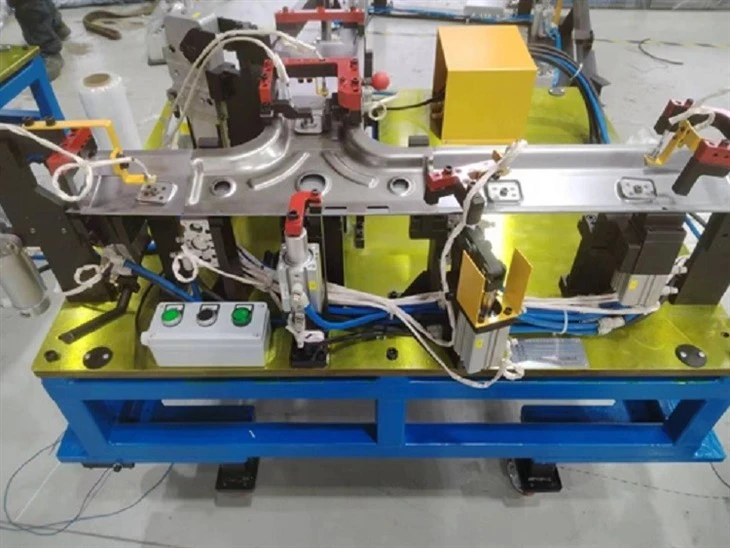

To combat corrosion, proper surface treatment is crucial. Many of our welding fixtures, like the Car Side Panel Spot Welding Fixture, are treated with anti - corrosion coatings during the manufacturing process. However, over time, these coatings can wear off. Regular cleaning and the application of protective coatings can help extend the life of the fixture and prevent corrosion.
4. Electrical Issues
In welding fixtures that use electrical components, such as those with automated welding systems, electrical issues can be a common problem. Loose connections are a frequent cause of electrical problems. Vibration during the welding process can cause wires to come loose, leading to intermittent electrical faults. These faults can disrupt the welding process and cause inconsistent welds.
Another electrical issue is overheating of electrical components. If the electrical system is overloaded or if there's a problem with the cooling mechanism, the components can overheat. Overheating can damage the electrical components and even pose a fire hazard. To prevent electrical issues, regular checks of the electrical connections are necessary. Make sure all wires are securely fastened, and check for any signs of overheating, such as discoloration or a burning smell.
5. Contamination
Contamination of the welding fixture can also lead to problems. During the welding process, spatter, slag, and other debris can accumulate on the fixture. This contamination can interfere with the proper functioning of the fixture. For example, spatter can build up on the clamping surfaces, preventing them from making a proper grip on the workpieces.
Slag can also get into the moving parts of the fixture, causing them to jam. Regular cleaning is the key to preventing contamination. Use appropriate cleaning tools and solvents to remove spatter, slag, and other debris from the fixture. Make sure to clean all the nooks and crannies, especially the areas around the clamping jaws and guiding mechanisms.
6. Lack of Lubrication
Many welding fixtures have moving parts, such as sliding mechanisms and hinges. These parts require proper lubrication to function smoothly. Without adequate lubrication, the moving parts can experience increased friction, which can lead to wear and tear. In some cases, lack of lubrication can cause the parts to seize up, making the fixture inoperable.
To ensure proper lubrication, use the recommended lubricants for your welding fixture. Follow the manufacturer's guidelines on how often to lubricate the moving parts. Over - lubrication can also be a problem, as it can attract dirt and debris, so make sure to apply the right amount of lubricant.
7. Software and Control System Problems
In modern welding fixtures, especially those with automated features, software and control systems play a vital role. Software glitches can cause the fixture to operate incorrectly. For example, the programming might be incorrect, leading to the wrong welding parameters being applied. Control system malfunctions can also occur due to electrical issues or component failures.
If you encounter software or control system problems, it's important to have a trained technician diagnose and fix the issue. Regular software updates can also help prevent some of these problems. Make sure to keep the control system clean and free from dust and debris, as these can cause electrical shorts and other issues.
Conclusion
In conclusion, welding fixtures are essential for achieving high - quality welds, but they come with their own set of maintenance challenges. Wear and tear, misalignment, corrosion, electrical issues, contamination, lack of lubrication, and software/control system problems are some of the common issues that you might face. By being aware of these problems and taking proactive measures to address them, you can ensure the longevity and proper functioning of your welding fixtures.
If you're in the market for high - quality welding fixtures, like the Automobile B - pillar Welding Fixture or the Fuel Tank Shell Spot Welding Fixture, and need advice on maintenance or have any other questions, don't hesitate to reach out. We're here to help you with all your welding fixture needs. Contact us to start a procurement discussion and find the best solutions for your welding operations.
References
- Welding Fixture Handbook, Industry Standard Publications
- Best Practices in Welding Fixture Maintenance, Welding Technology Journal
