

A four-axis positioner is a crucial piece of equipment in modern factories, especially in industries such as welding, machining, and assembly. As a supplier of four-axis positioners, I understand the importance of ensuring that these machines are installed correctly to achieve optimal performance. In this blog post, I will discuss the installation requirements for a four-axis positioner in a factory, covering aspects such as site preparation, electrical and mechanical connections, and safety considerations.
Site Preparation
Before installing a four-axis positioner, it is essential to prepare the installation site properly. The site should meet the following requirements:
Space Requirements
The four-axis positioner requires sufficient space for installation, operation, and maintenance. The exact space requirements depend on the model and size of the positioner. Generally, you should allow a clearance of at least 1 - 2 meters around the positioner to ensure easy access for operators and maintenance personnel. Additionally, consider the space needed for loading and unloading workpieces, as well as the movement of any associated equipment such as cranes or robotic arms.
Floor Conditions
The floor where the positioner will be installed must be flat, level, and capable of supporting the weight of the positioner and the workpieces. A uneven floor can cause the positioner to tilt, which may lead to inaccurate positioning and potential safety hazards. The floor should have a load - bearing capacity of at least [X] kg per square meter, depending on the specific model of the positioner. If the floor is not suitable, you may need to reinforce it or install a special foundation.
Environmental Conditions
The installation site should be free from excessive dust, moisture, and corrosive substances. High levels of dust can damage the moving parts and electrical components of the positioner, while moisture and corrosive substances can cause rust and corrosion. Ideally, the temperature in the installation area should be between [X]°C and [X]°C, and the relative humidity should be between [X]% and [X]%. If the environmental conditions cannot be controlled naturally, you may need to install air - conditioning or dehumidification equipment.
Electrical Requirements
Proper electrical installation is crucial for the safe and reliable operation of a four - axis positioner.
Power Supply
The four - axis positioner typically requires a three - phase power supply. The voltage and frequency should match the specifications of the positioner. Before connecting the power supply, make sure to check the electrical rating of the positioner, which is usually indicated on the nameplate. Use a dedicated circuit breaker or fuse to protect the positioner from over - current and short - circuit faults.
Wiring
All electrical wiring should be installed in accordance with local electrical codes. Use high - quality cables with appropriate insulation and cross - sectional area to ensure efficient power transmission. The wiring should be neatly arranged and protected from mechanical damage. Additionally, make sure to ground the positioner properly to prevent electrical shock hazards.
Control System
The four - axis positioner is usually controlled by a dedicated control system. The control system may be connected to a computer or a programmable logic controller (PLC). Ensure that the communication interfaces between the control system and other devices are compatible. Also, provide a stable power supply for the control system to avoid any interference or malfunctions.
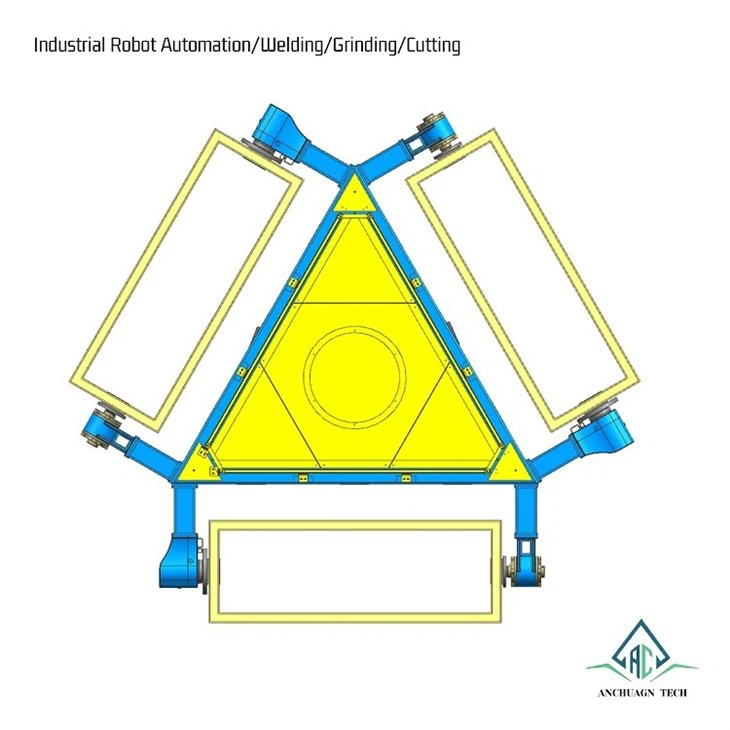
Mechanical Installation
The mechanical installation of the four - axis positioner involves several key steps.
Mounting the Positioner
Carefully lift the positioner using a suitable lifting device such as a crane or a forklift and place it on the prepared floor. Align the positioner with the pre - marked installation points and use bolts or other fasteners to secure it firmly to the floor. Make sure that the positioner is level and plumb using a spirit level.
Connecting Moving Parts
The four - axis positioner consists of several moving parts, such as rotation axes and flip mechanisms. Connect these parts according to the manufacturer's instructions. Lubricate the moving parts with the recommended lubricants to reduce friction and wear. Check the alignment and clearance of the moving parts to ensure smooth operation.
Workpiece Fixturing
Install the appropriate workpiece fixtures on the positioner. The fixtures should be designed to hold the workpieces securely during operation. Make sure that the fixtures are properly aligned with the positioner's axes to ensure accurate positioning of the workpieces.
Safety Considerations
Safety is of utmost importance when installing and operating a four - axis positioner.
Safety Guards
Install safety guards around the positioner to prevent operators from coming into contact with moving parts. The safety guards should be made of strong and durable materials and should be designed to withstand accidental impacts. Ensure that the safety guards do not interfere with the normal operation of the positioner.
Emergency Stop Buttons
Install emergency stop buttons at easily accessible locations around the positioner. The emergency stop buttons should be clearly marked and should be able to immediately stop the operation of the positioner in case of an emergency.
Operator Training
Provide comprehensive training to the operators who will be using the four - axis positioner. The training should cover aspects such as equipment operation, safety procedures, and maintenance requirements. Operators should be familiar with the potential hazards associated with the positioner and should know how to use the safety devices correctly.
Commissioning and Testing
After the installation is complete, it is necessary to conduct commissioning and testing to ensure that the four - axis positioner is working properly.
Function Testing
Perform a series of function tests on the positioner, including testing the rotation and flip functions of each axis. Check the accuracy of the positioning by measuring the angles and positions of the workpieces. Make any necessary adjustments to the control parameters to ensure accurate and repeatable positioning.
Load Testing
Conduct load testing by placing workpieces of different weights and sizes on the positioner. Observe the performance of the positioner under different load conditions. Check for any signs of overheating, abnormal noise, or vibration during the load testing.
Long - term Operation Testing
Run the positioner continuously for a certain period of time to simulate long - term operation. Monitor the performance of the positioner during this period and record any issues or malfunctions. Make any necessary improvements or adjustments based on the test results.
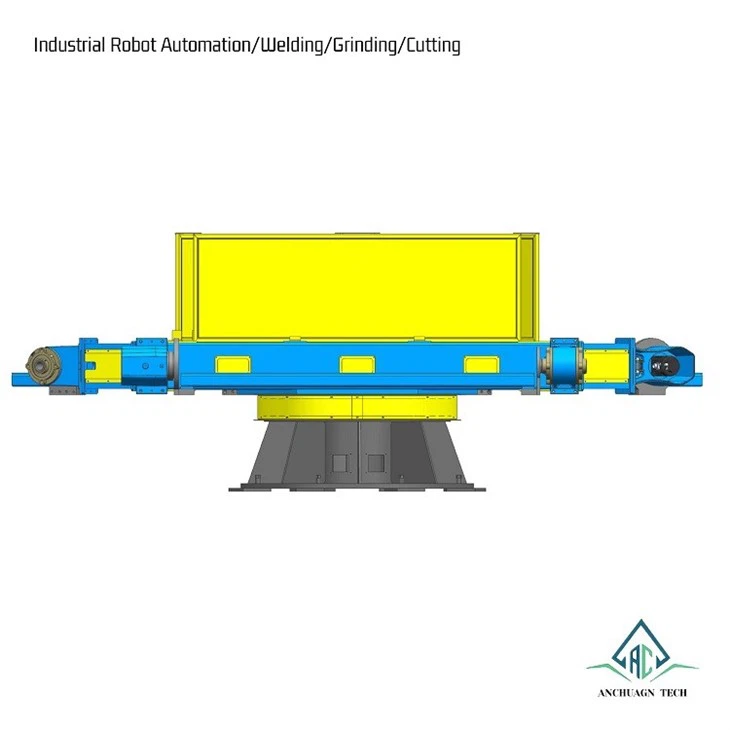
If you are interested in our Four-axis Rotating Three-station Flip Positioner, or have any questions about the installation and operation of four - axis positioners, please feel free to contact us for further discussion and potential procurement. We are committed to providing high - quality products and professional technical support to meet your factory's needs.
References
- Manufacturer's installation and operation manual for four - axis positioners
- Local electrical and safety codes
- Industry standards for industrial equipment installation
