

As a supplier of robot peripherals, I've witnessed firsthand the rapid evolution of the robotics industry. With each passing day, the demand for more user - friendly robot peripherals has become increasingly prominent. In this blog, I will delve into the user - friendliness requirements for robot peripherals and explain why they are crucial for both end - users and the industry as a whole.
1. Ease of Installation and Setup
One of the primary user - friendliness requirements for robot peripherals is ease of installation and setup. End - users, whether they are small - scale manufacturers or large industrial plants, do not want to spend excessive time and resources on installing and configuring peripherals.
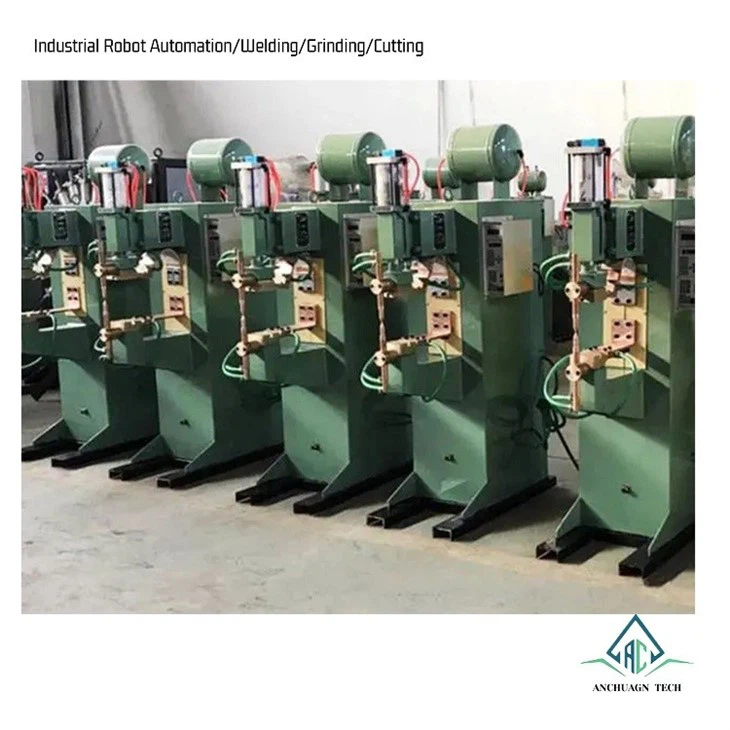
A user - friendly peripheral should come with clear and comprehensive installation manuals. These manuals should be written in simple language, accompanied by step - by - step diagrams if possible. For instance, when a customer purchases a Pneumatic Spot Welding Machine, they expect to be able to install it easily alongside the robot arm. The manual should include information about the mechanical connection, electrical wiring, and any software setup required.
Additionally, the peripheral should be designed in a way that minimizes the need for specialized tools during installation. Plug - and - play features are highly desirable. Some modern robot welding torches, like our Robot Welding Torch, are designed with quick - connect fittings, allowing for seamless attachment to the robot. This not only saves time but also reduces the skill level required for the installation process.
2. Intuitive Operation and Control
Once installed, robot peripherals need to be intuitive to operate. Complex control interfaces can lead to errors, increased training time for operators, and ultimately decreased productivity.
User - friendly control panels should have clearly labeled buttons and a logical layout. For example, a welding fume purifier, such as the one available at Welding Fume Purifier, should have simple controls for adjusting fan speed, filter replacement indicators, and on/off switches. The control interface should be designed with the end - user in mind, taking into consideration their level of technical expertise.
Moreover, the integration of touch - screen technology and graphical user interfaces (GUIs) has made a significant impact on the user - friendliness of robot peripherals. GUIs can display real - time data, such as the temperature of a welding torch or the air quality in the case of a fume purifier. They also allow for easy programming of tasks, enabling operators to customize the operation of the peripherals according to their specific needs.
3. Compatibility and Interoperability
Robot peripherals need to be compatible with a wide range of robot models and brands. In today's market, end - users often have a mix of different robots in their production lines. A user - friendly peripheral should be able to work seamlessly with various robots without the need for extensive modifications.
This requires standardization of communication protocols and mechanical interfaces. For example, a pneumatic spot welding machine should support common industrial communication protocols like Modbus or Ethernet/IP, allowing it to communicate effectively with different robot controllers. Mechanical interfaces should also follow industry - standard dimensions and mounting patterns, ensuring easy attachment to different robot arms.
Interoperability also extends to the software side. Peripherals should be able to integrate with the robot's existing control software. This allows for centralized control and monitoring of the entire robotic system, improving efficiency and reducing the complexity of operation.
4. Maintenance and Serviceability
User - friendly robot peripherals are designed with maintenance and serviceability in mind. Downtime due to maintenance or repairs can be extremely costly for businesses. Therefore, it is essential that peripherals are easy to maintain and repair.
Peripherals should have accessible components for cleaning, inspection, and replacement. For example, in a welding fume purifier, the filters should be easy to remove and replace. The use of modular designs in peripherals can significantly improve serviceability. Modular components can be easily swapped out in case of a failure, reducing the time required for repairs.
In addition, the manufacturer should provide comprehensive maintenance guides and online resources. Technical support should also be readily available to assist end - users in case of any issues. We offer detailed maintenance schedules and troubleshooting guides for all our robot peripherals, ensuring that our customers can keep their systems running smoothly.
5. Safety and Reliability
Safety is a top priority in any industrial environment. User - friendly robot peripherals should incorporate safety features that are easy to understand and operate. For example, safety interlocks on a pneumatic spot welding machine prevent accidental operation when the protective cover is open. These interlocks should be clearly visible and labeled, and their function should be explained in the product manual.

Reliability is also closely related to user - friendliness. A reliable peripheral reduces the frequency of breakdowns and the associated downtime. High - quality materials and rigorous testing during the manufacturing process are essential to ensure reliability. We conduct extensive testing on all our robot peripherals, including stress testing, environmental testing, and long - term operation testing, to ensure that they can withstand the harsh industrial environment.
6. Cost - effectiveness
Cost - effectiveness is an important user - friendliness requirement from the perspective of the end - user. While high - end features and quality are desirable, the cost of the peripheral should be reasonable.
A user - friendly peripheral should provide good value for money. This can be achieved through efficient design, which reduces manufacturing costs without compromising on quality. For example, our Robot Welding Torch is designed to be energy - efficient, reducing long - term operating costs for the customer.
In addition, the price of the peripheral should be transparent, with no hidden costs. The manufacturer should provide clear pricing information and offer options for different budgets.
The Importance of User - Friendliness for the Industry
User - friendly robot peripherals not only benefit end - users but also have a positive impact on the robotics industry as a whole. By making peripherals easier to use, more companies, especially small and medium - sized enterprises, can adopt robotic technology. This leads to increased automation in the manufacturing sector, improving productivity and competitiveness.
Moreover, user - friendly peripherals encourage innovation. When end - users find it easy to work with peripherals, they are more likely to experiment with new applications and techniques, driving the development of new features and products in the industry.
Conclusion
In conclusion, user - friendliness is a multifaceted requirement for robot peripherals. Ease of installation and setup, intuitive operation and control, compatibility and interoperability, maintenance and serviceability, safety and reliability, and cost - effectiveness are all crucial aspects that end - users look for in robot peripherals.
As a supplier of robot peripherals, we are committed to meeting these user - friendliness requirements. We continuously invest in research and development to improve the design and functionality of our products. If you are interested in our robot peripherals or have any questions about user - friendliness, please feel free to contact us for a procurement discussion. We are here to help you find the best solutions for your robotic applications.
References
- Robotics Industry Association (RIA). Annual reports on the adoption of robot technology and trends in user requirements.
- International Organization for Standardization (ISO). Standards related to robot safety, compatibility, and operation.
- Industry - specific journals and research papers on robot peripheral design and user experience.
