

When it comes to industrial equipment, a four-axis positioner is a crucial tool in many manufacturing and welding processes. As a supplier of four-axis positioners, I often get asked about the price range of these machines. In this blog post, I'll delve into the factors that influence the cost of a four-axis positioner and provide a general price range to give you a better understanding.
Understanding Four-Axis Positioners
A four-axis positioner is designed to provide precise movement and positioning in four different axes, allowing for complex and accurate operations. This type of equipment is commonly used in welding, machining, and assembly processes, where it can significantly improve efficiency and quality. The four axes typically include rotation, tilt, and two additional axes for more intricate movements.
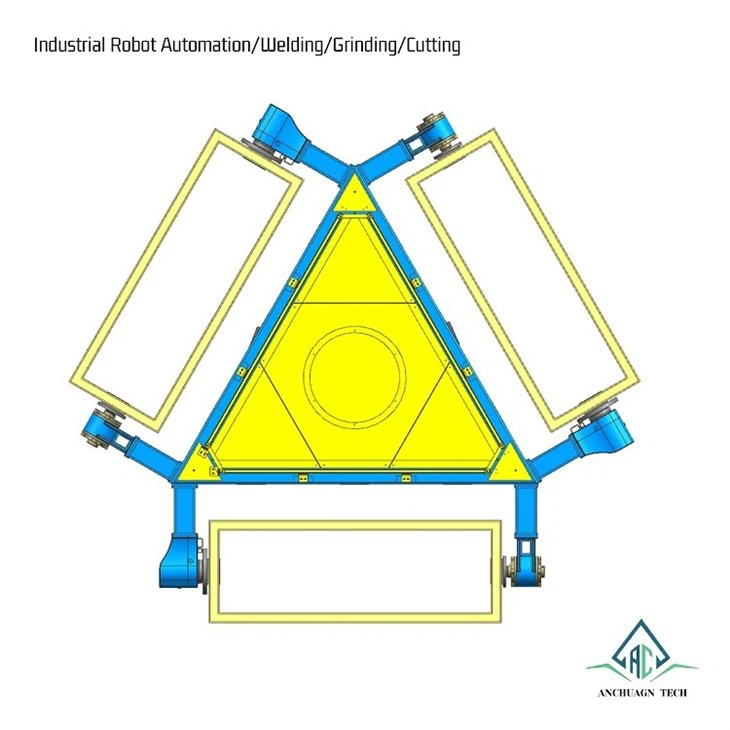
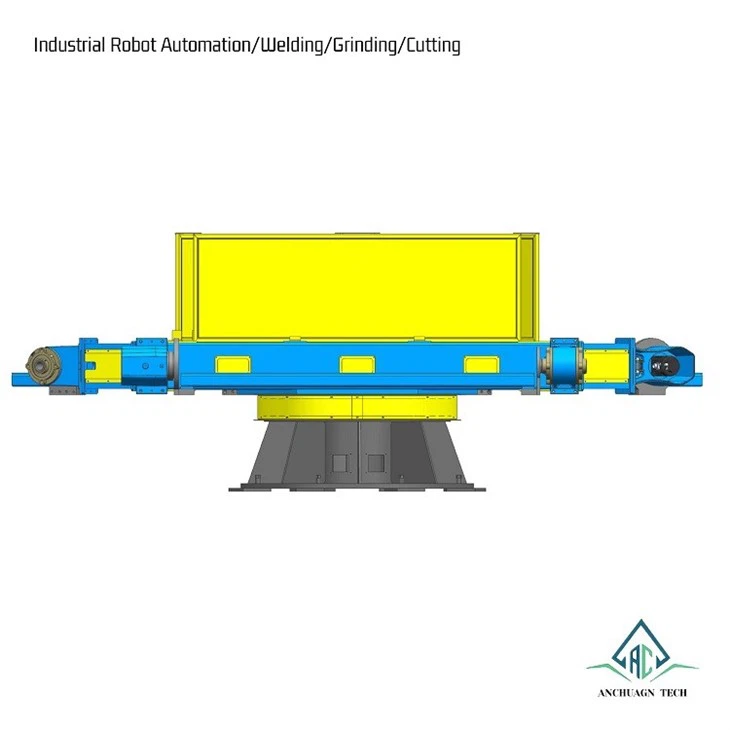
The Four-axis Rotating Three-station Flip Positioner is an example of a specialized four-axis positioner that offers unique features and capabilities. It combines rotation and flipping functions, enabling multiple workpieces to be processed simultaneously at different stations.
Factors Influencing the Price
Several factors contribute to the price of a four-axis positioner. Understanding these factors can help you make an informed decision when purchasing one.
1. Load Capacity
One of the primary factors affecting the price is the load capacity of the positioner. Higher load capacities require more robust construction, stronger motors, and better control systems, which generally result in a higher cost. For example, a positioner with a load capacity of 500 kg will be less expensive than one capable of handling 5,000 kg.
2. Precision and Accuracy
The level of precision and accuracy required in your application also impacts the price. Positioners with higher precision and accuracy are equipped with more advanced sensors, better control algorithms, and higher-quality components. These features ensure that the positioner can achieve the exact positioning required for your work, but they come at a premium.
3. Brand and Quality
Well-established brands with a reputation for quality and reliability often charge more for their products. These brands invest heavily in research and development, use high-quality materials, and have strict quality control measures in place. While you may pay more upfront, you can expect better performance, longer lifespan, and fewer maintenance issues in the long run.
4. Additional Features
Some four-axis positioners come with additional features such as programmable control systems, automatic workpiece recognition, and integration with other equipment. These features can enhance the functionality and versatility of the positioner but also increase its cost.
5. Customization
If you require a customized four-axis positioner to meet specific requirements, the price will be higher. Customization involves additional design, engineering, and manufacturing efforts, which add to the overall cost of the machine.
General Price Range
Based on the factors mentioned above, the price range of a four-axis positioner can vary significantly. Here is a general overview:
Entry-Level Four-Axis Positioners
Entry-level four-axis positioners with a relatively low load capacity (up to 1,000 kg) and basic features can range from $10,000 to $30,000. These positioners are suitable for small to medium-sized workshops and applications where precision requirements are not extremely high.
Mid-Range Four-Axis Positioners
Mid-range four-axis positioners with a load capacity of 1,000 kg to 5,000 kg and more advanced features such as programmable control systems and higher precision can cost between $30,000 and $80,000. These positioners are commonly used in larger manufacturing facilities and applications that require more accurate positioning.
High-End Four-Axis Positioners
High-end four-axis positioners with a load capacity of over 5,000 kg, advanced features, and high precision are typically priced above $80,000. These positioners are designed for heavy-duty industrial applications and are often customized to meet specific requirements.
It's important to note that these price ranges are approximate and can vary depending on the specific manufacturer, market conditions, and other factors. Additionally, the cost of installation, training, and after-sales support should also be considered when budgeting for a four-axis positioner.
Making the Right Decision
When choosing a four-axis positioner, it's essential to consider your specific requirements, budget, and long-term goals. Here are some tips to help you make the right decision:
1. Evaluate Your Needs
Determine the load capacity, precision, and features required for your application. Consider factors such as the size and weight of your workpieces, the complexity of the operations, and the level of automation needed.
2. Research Different Brands and Models
Compare different brands and models of four-axis positioners to find the one that best suits your needs and budget. Read reviews, check customer testimonials, and visit trade shows to get a firsthand look at the products.
3. Request Quotes
Contact multiple suppliers and request detailed quotes for the four-axis positioners you are interested in. Make sure the quotes include all the necessary costs, such as installation, training, and after-sales support.
4. Consider the Total Cost of Ownership
In addition to the initial purchase price, consider the total cost of ownership over the lifespan of the positioner. This includes maintenance, repair, energy consumption, and replacement parts.
Contact Us for More Information
If you're in the market for a four-axis positioner and need more information or a customized solution, please don't hesitate to contact us. Our team of experts is ready to assist you in finding the right positioner for your application and budget. We offer a wide range of four-axis positioners with different load capacities, features, and price points to meet your specific needs.
References
- Industrial Machinery Handbook
- Welding and Manufacturing Technology Journals
