

What is the resolution of an electrode cap's signal detection?
As a dedicated supplier of electrode caps, I've spent countless hours exploring the intricacies of these essential components. One of the most frequently asked questions in the industry is about the resolution of an electrode cap's signal detection. In this blog, I'll delve into this topic, explaining what signal detection resolution means, why it matters, and how it impacts the performance of electrode caps.

Understanding Signal Detection Resolution
Signal detection resolution refers to the ability of an electrode cap to accurately detect and distinguish between different electrical signals. In the context of electrode caps, these signals are typically related to physiological activities such as brain waves (EEG), muscle contractions (EMG), or heartbeats (ECG). A high - resolution electrode cap can pick up even the smallest changes in these signals, providing detailed and precise data.
To put it simply, think of signal detection resolution as the "zoom" on a camera. A camera with a high zoom capability can capture fine details from a distance, just like a high - resolution electrode cap can detect weak and subtle electrical signals. On the other hand, a low - resolution electrode cap is like a camera with limited zoom; it may miss out on important details and only capture broad, general signals.
Why Signal Detection Resolution Matters
The resolution of signal detection is crucial for several reasons. Firstly, in medical and research applications, accurate signal detection is essential for making correct diagnoses and drawing meaningful conclusions. For example, in epilepsy research, detecting the subtle changes in brain wave patterns that precede a seizure can be a matter of life and death. A high - resolution electrode cap can pick up these early warning signs, allowing for timely intervention.
Secondly, in industries such as gaming and virtual reality, where electrode caps are used to detect user intent through brain signals, high resolution means a more immersive and responsive experience. If the electrode cap cannot accurately detect the user's thoughts or movements, the interaction between the user and the virtual environment will be limited and frustrating.
Finally, in quality control during manufacturing processes, a high - resolution electrode cap can ensure that products meet the required standards. By detecting even the slightest variations in electrical signals, manufacturers can identify potential defects early on and take corrective actions.
Factors Affecting Signal Detection Resolution
Several factors can influence the signal detection resolution of an electrode cap. One of the most important factors is the material of the electrodes. High - quality conductive materials, such as silver - silver chloride (Ag/AgCl), can provide better electrical conductivity and reduce noise interference, thereby improving the resolution.
The design of the electrode cap also plays a significant role. A well - designed cap ensures proper contact between the electrodes and the skin, which is essential for accurate signal detection. For example, caps with adjustable straps and flexible electrodes can conform better to the shape of the head, reducing the risk of signal loss due to poor contact.
The number and placement of electrodes are also critical. A greater number of electrodes can cover a larger area of the scalp or body, allowing for more comprehensive signal detection. Additionally, strategic placement of electrodes can target specific areas of interest, enhancing the resolution for detecting particular signals.
How Our Electrode Caps Ensure High Resolution
At our company, we take several measures to ensure that our electrode caps offer high - resolution signal detection. Firstly, we use only the highest quality conductive materials in our electrodes. Our silver - silver chloride electrodes are carefully manufactured to provide excellent electrical conductivity and stability, minimizing noise and interference.
Secondly, we invest heavily in research and development to improve the design of our electrode caps. Our caps are ergonomically designed to fit comfortably on the head or body, ensuring optimal contact between the electrodes and the skin. We also offer a variety of sizes and styles to meet the diverse needs of our customers.
In terms of electrode placement, we follow the latest research and industry standards. Our electrode caps are designed with a strategic layout that allows for comprehensive signal detection, whether you're conducting a full - scalp EEG or a targeted EMG study.
Related Products in Our Portfolio
In addition to our high - resolution electrode caps, we also offer a range of related products that can enhance your overall experience. For example, our Laser Cutting Nozzle is designed for precision in laser cutting applications. It ensures a clean and accurate cut, reducing waste and improving efficiency.
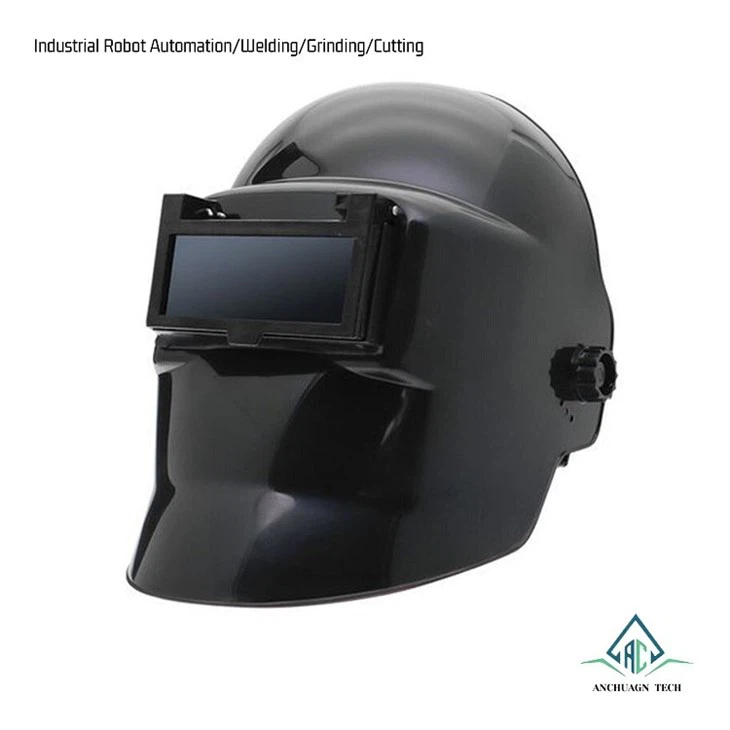
Our Auto Darkening Welding Helmet is another essential product. It automatically adjusts the shade of the visor based on the intensity of the welding arc, protecting your eyes from harmful radiation and providing clear visibility during the welding process.
We also provide Welding Contact Tip, which is crucial for maintaining a stable and efficient welding process. Our contact tips are made from high - quality materials, ensuring long - lasting performance and consistent welding results.

Contact Us for Your Electrode Cap Needs
If you're in the market for high - resolution electrode caps or any of our related products, we'd love to hear from you. Our team of experts is ready to assist you in finding the right solution for your specific requirements. Whether you're a medical researcher, a gaming developer, or a manufacturer, we have the products and expertise to meet your needs.
Contact us today to start a conversation about your electrode cap requirements. We look forward to partnering with you to achieve your goals.
References
- Nunez, P. L., & Srinivasan, R. (2006). Electric Fields of the Brain: The Neurophysics of EEG. Oxford University Press.
- Niedermeyer, E., & Lopes da Silva, F. H. (2004). Electroencephalography: Basic Principles, Clinical Applications, and Related Fields. Lippincott Williams & Wilkins.
- Brown, E. N., Brette, R., & Kass, R. E. (2018). Neuroscience needs behavior: Correcting a reductionist bias. Neuron, 98(3), 489 - 493.
