As a supplier of Robot Welding Torch, I often get asked if our welding torches can be used in high-temperature environments. It's a valid question, especially considering that welding itself generates a significant amount of heat, and some industrial settings can have elevated ambient temperatures. So, let's dive into this topic and see what the deal is.
Understanding High-Temperature Environments
First off, we need to define what we mean by a high-temperature environment. In the context of welding, high temperatures can come from two main sources: the welding process itself and the surrounding industrial environment.
During welding, the arc can reach temperatures of up to 6,500°F (3,600°C). That's insanely hot! And then, in some industries like foundries or steel mills, the ambient temperature can also be pretty high, sometimes exceeding 122°F (50°C).
How High Temperatures Affect Welding Torches
High temperatures can have several negative effects on a welding torch. One of the most obvious is thermal expansion. When a material gets hot, it expands. This can cause parts of the torch to loosen or misalign, which can lead to poor welding quality. For example, if the nozzle expands too much, it can change the shape of the gas flow, resulting in inconsistent shielding and a higher risk of porosity in the weld.
Another issue is the degradation of materials. Many of the components in a welding torch are made of polymers or rubber seals. These materials can break down at high temperatures, losing their flexibility and integrity. This can lead to gas leaks, which not only waste shielding gas but also affect the quality of the weld.
The electrical components in the torch can also be affected. High temperatures can increase the resistance in the electrical circuits, which can lead to overheating and potentially damage to the power source or other components.
Our Robot Welding Torches and High-Temperature Resistance
At our company, we've put a lot of effort into designing our Robot Welding Torch to withstand high temperatures. We use high-quality materials that have a high melting point and good thermal stability.
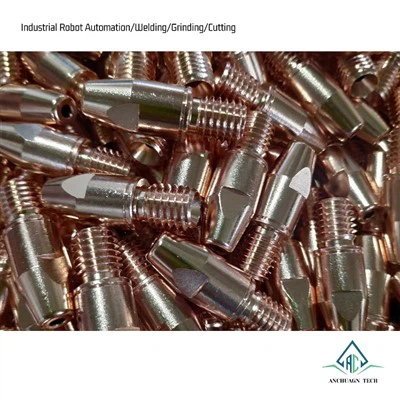
For example, our nozzles are made of a special copper alloy that can withstand the extreme heat of the welding arc without deforming. This ensures a consistent gas flow and a high-quality weld.
We also pay close attention to the seals and gaskets in our torches. We use high-temperature-resistant polymers that can maintain their flexibility and sealing properties even in hot environments. This helps to prevent gas leaks and ensures that the torch operates efficiently.
In addition, we've designed our electrical components to be heat-resistant. We use high-quality insulation materials and efficient cooling systems to keep the electrical circuits at a safe temperature, even during long periods of welding.


Real-World Applications
We've had many customers who have used our Robot Welding Torch in high-temperature environments, and the results have been very positive. For example, in a steel mill where the ambient temperature can reach 140°F (60°C), our torches have been able to operate continuously without any issues. The weld quality has been consistent, and the torches have required minimal maintenance.
In another case, a foundry was using our torches to weld castings. The high heat from the molten metal and the casting process created a challenging environment, but our torches were able to handle it. The operators reported that the torches were reliable and easy to use, and the welds were of high quality.
Comparing with Other Options
When it comes to welding in high-temperature environments, some people might consider using a Pneumatic Spot Welding Machine or a Mobile Spot Welder. While these machines can be effective in certain situations, they have some limitations.
Pneumatic spot welding machines rely on air pressure to operate, and high temperatures can affect the performance of the air cylinders and valves. This can lead to inconsistent welding pressure and poor weld quality.
Mobile spot welders are often less powerful and less precise than robot welding torches. They also may not be able to handle the high heat and continuous operation required in some high-temperature environments.
In contrast, our robot welding torches are designed specifically for high-performance welding in challenging conditions. They offer greater precision, better control, and higher reliability than many other options.
Conclusion
So, can a robot welding torch be used in a high-temperature environment? The answer is yes, especially if you choose a high-quality torch like the ones we offer. Our Robot Welding Torch is designed to withstand the extreme heat of the welding process and the high ambient temperatures found in many industrial settings.
If you're in the market for a welding torch that can handle high temperatures, we'd love to talk to you. Our team of experts can help you choose the right torch for your specific needs and provide you with all the support you need to get the most out of your investment.
Don't let high temperatures limit your welding capabilities. Contact us today to learn more about our Robot Welding Torch and how it can benefit your business.
References
- Welding Handbook, American Welding Society
- Industrial Welding Technology, McGraw-Hill Education