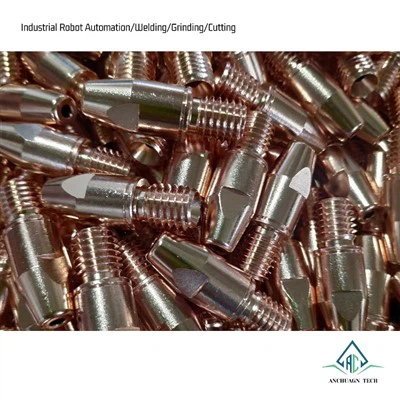
As a supplier of Electrode Caps, I understand the importance of maintaining these crucial components for optimal performance. In this blog post, I'll share some detailed and practical methods on how to clean the electrodes on an electrode cap.
Why is Cleaning Electrode Caps Important?
Before diving into the cleaning process, it's essential to understand why keeping electrode caps clean is so vital. Over time, electrode caps accumulate various contaminants such as metal spatter, oxides, and dirt during the welding process. These contaminants can significantly affect the quality of the weld. For example, they can increase electrical resistance, leading to inconsistent heat generation and potentially weakening the weld joint. Moreover, dirty electrode caps can cause uneven pressure distribution during welding, resulting in poor contact between the electrode and the workpiece. This can lead to issues like expulsion, which not only affects the appearance of the weld but also reduces its strength. Regular cleaning of electrode caps helps to ensure consistent and high - quality welds, extends the lifespan of the caps, and reduces the frequency of cap replacements, ultimately saving costs for the users.
Tools and Materials Needed
To clean the electrodes on an electrode cap effectively, you'll need the following tools and materials:
- A wire brush: A stiff wire brush is ideal for removing stubborn metal spatter and debris from the electrode surface.
- Sandpaper: Fine - grit sandpaper can be used to smooth the electrode surface after the initial cleaning with the wire brush.
- Cleaning solvent: A suitable cleaning solvent can help dissolve and remove oxides and other contaminants. Make sure to choose a solvent that is compatible with the electrode material.
- Safety equipment: Wear safety glasses and gloves to protect yourself from any debris or chemicals during the cleaning process.
Step - by - Step Cleaning Process
Step 1: Preparation
First, ensure that the welding equipment is turned off and disconnected from the power source to prevent any electrical hazards. Remove the electrode cap from the welding gun carefully. If possible, refer to the manufacturer's instructions for the proper removal method. Inspect the electrode cap for any signs of damage such as cracks or excessive wear. If the cap is severely damaged, it may be necessary to replace it instead of cleaning it.
Step 2: Initial Brushing
Use the wire brush to gently scrub the surface of the electrode. Start from the outer edge and work your way towards the center. Apply moderate pressure to remove the metal spatter and large pieces of debris. Be careful not to over - brush, as this can damage the electrode surface. If the spatter is particularly stubborn, you may need to use a more aggressive brushing technique, but still exercise caution.


Step 3: Solvent Cleaning
Dip a clean cloth or a soft brush into the cleaning solvent. Wipe the electrode surface thoroughly with the solvent - soaked cloth or brush. The solvent will help dissolve the oxides and other contaminants that are not easily removed by brushing alone. Make sure to cover the entire surface of the electrode, including the sides and the tip. Allow the solvent to sit on the electrode for a few minutes to ensure maximum penetration and cleaning effect.
Step 4: Sanding
After the solvent cleaning, use the fine - grit sandpaper to smooth the electrode surface. Wrap the sandpaper around a small block or a similar tool to ensure even sanding. Sand the electrode surface gently in a circular motion. This step will help remove any remaining contaminants and create a smooth surface for better electrical contact during welding. Be careful not to sand too much, as this can change the shape and dimensions of the electrode, affecting its performance.
Step 5: Rinsing and Drying
Once the sanding is complete, rinse the electrode cap with clean water to remove any remaining solvent and debris. Make sure to dry the electrode thoroughly using a clean, dry cloth or compressed air. Moisture on the electrode can cause rusting and other corrosion issues, which can affect its performance and lifespan.
Frequency of Cleaning
The frequency of cleaning electrode caps depends on several factors, such as the type of welding process, the welding environment, and the intensity of use. In general, it's recommended to clean the electrode caps after every few hundred welds. However, in a more demanding welding environment with a lot of spatter and contaminants, more frequent cleaning may be required. Regular inspection of the electrode caps during the welding process can also help determine when cleaning is necessary. If you notice a decrease in the quality of the welds or an increase in electrical resistance, it may be a sign that the electrode caps need to be cleaned.
Additional Tips
- Store the electrode caps in a clean and dry place when not in use. This will help prevent the accumulation of dust and moisture, which can lead to contamination.
- Follow the manufacturer's instructions for the use and maintenance of the electrode caps. Different types of electrode caps may have specific cleaning and maintenance requirements.
Related Products
As an electrode cap supplier, we also offer other high - quality welding and cutting accessories. If you're interested in other products, you can check out our Laser Cutting Nozzle and Laser Welding Nozzle on our website. These products are designed to work in harmony with our Electrode Cap to provide you with a comprehensive solution for your welding and cutting needs.
Contact for Purchase and Consultation
If you have any questions about electrode cap cleaning, or if you're interested in purchasing our electrode caps or other related products, please feel free to contact us. We have a team of experts ready to assist you with your inquiries and provide you with the best solutions for your welding and cutting requirements.
References
- Welding Handbook, American Welding Society
- Principles of Resistance Welding, RWMA (Resistance Welding Manufacturers Alliance)